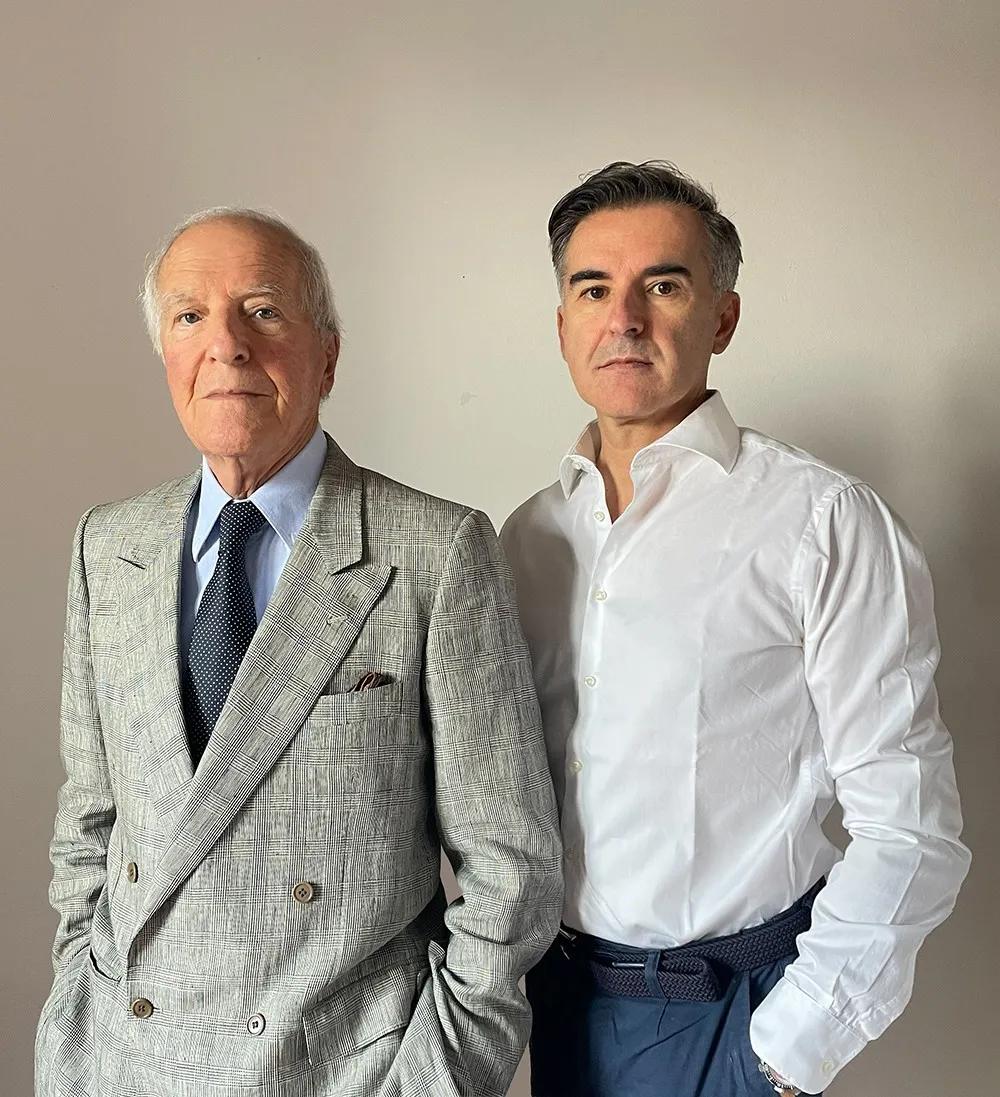
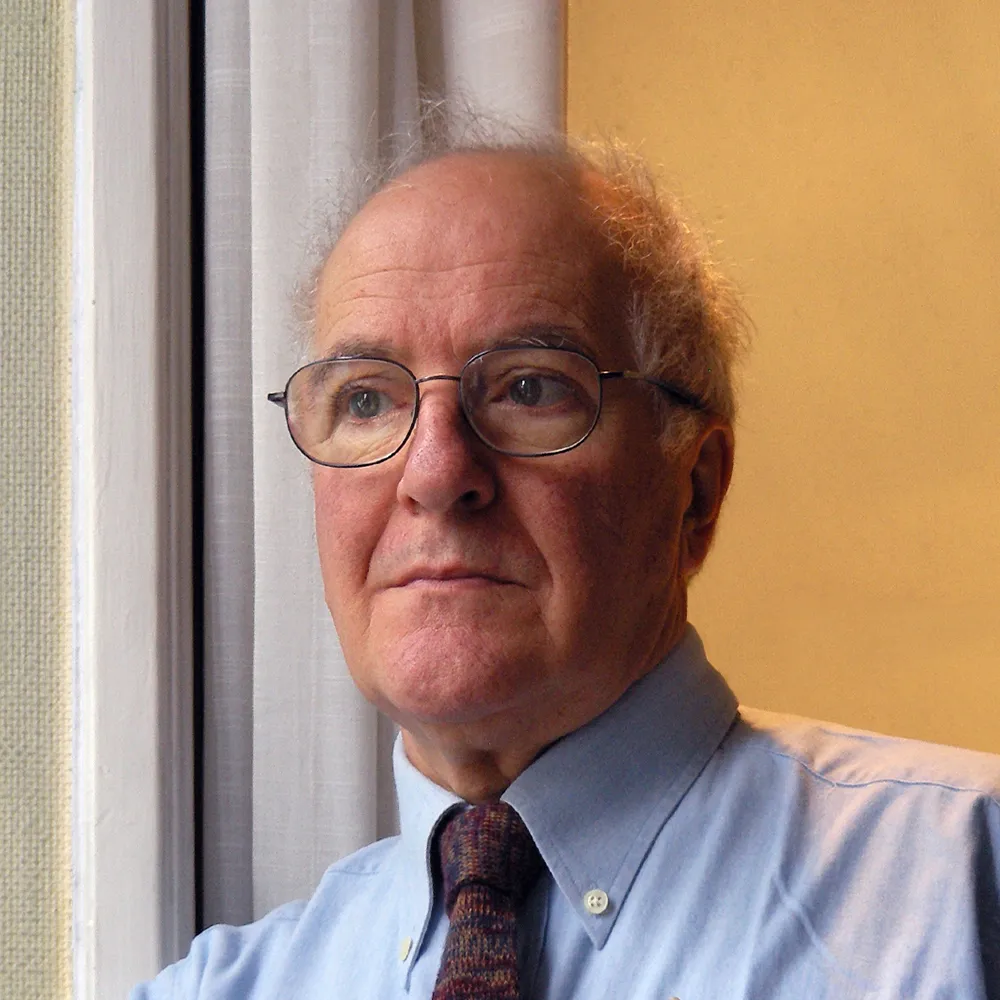
Two senior designers.
In the Milanese design tradition, we work directly with our clients: fewer intermediaries, greater effectiveness and consistency.

Drag the strip, or select it using your keyboard and use the left and right arrow keys. Scrolling pauses while the strip is selected.
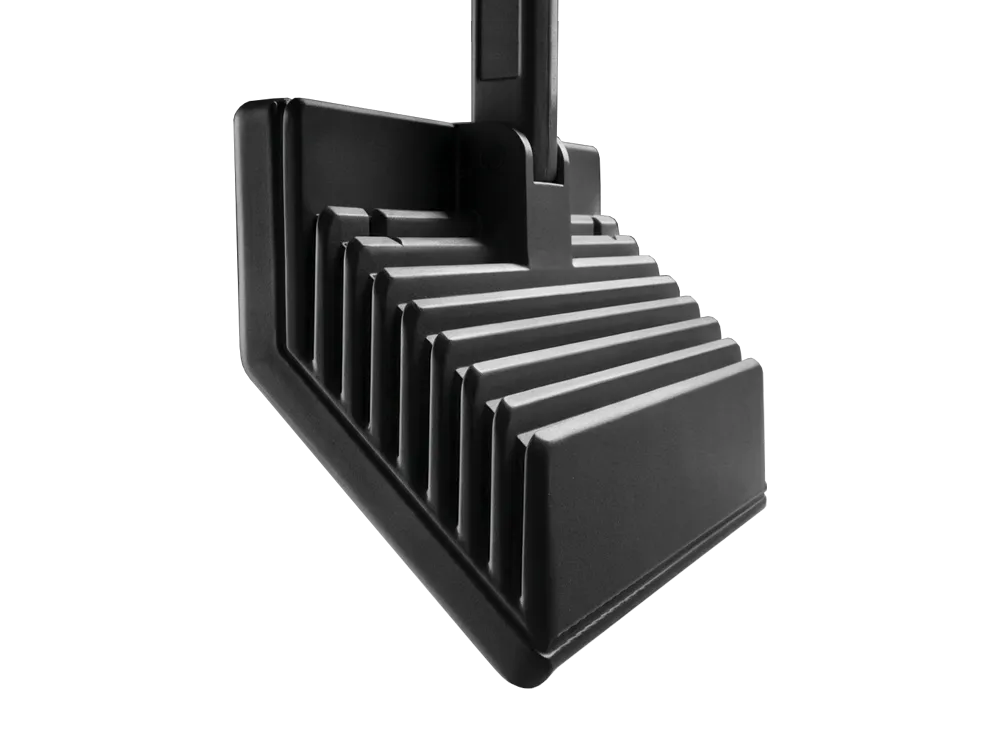
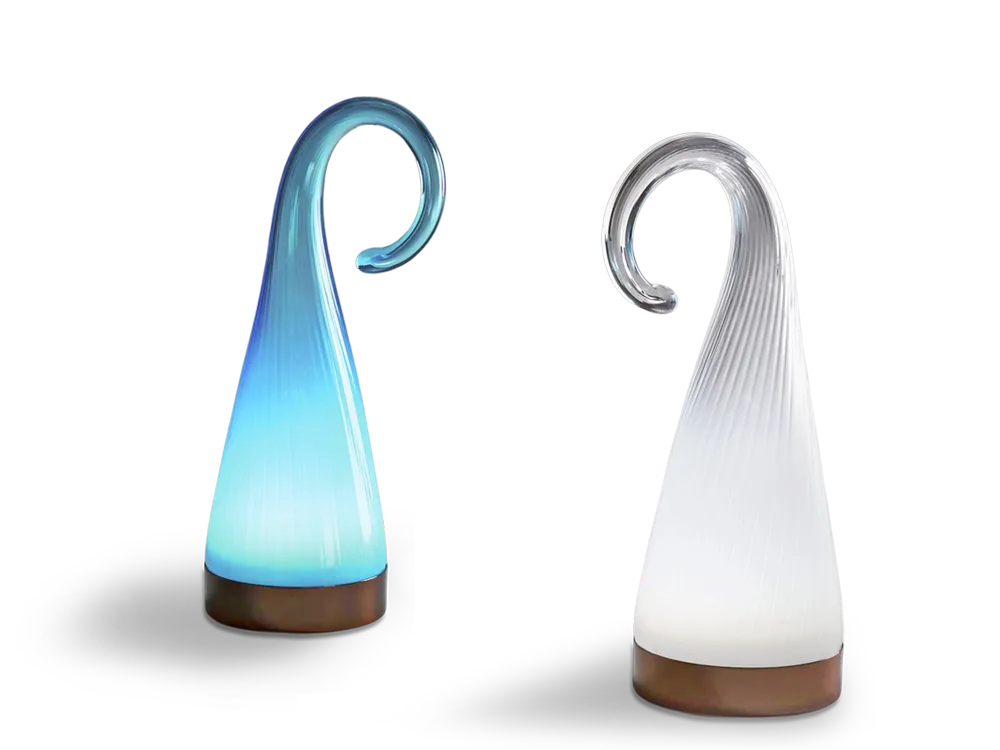
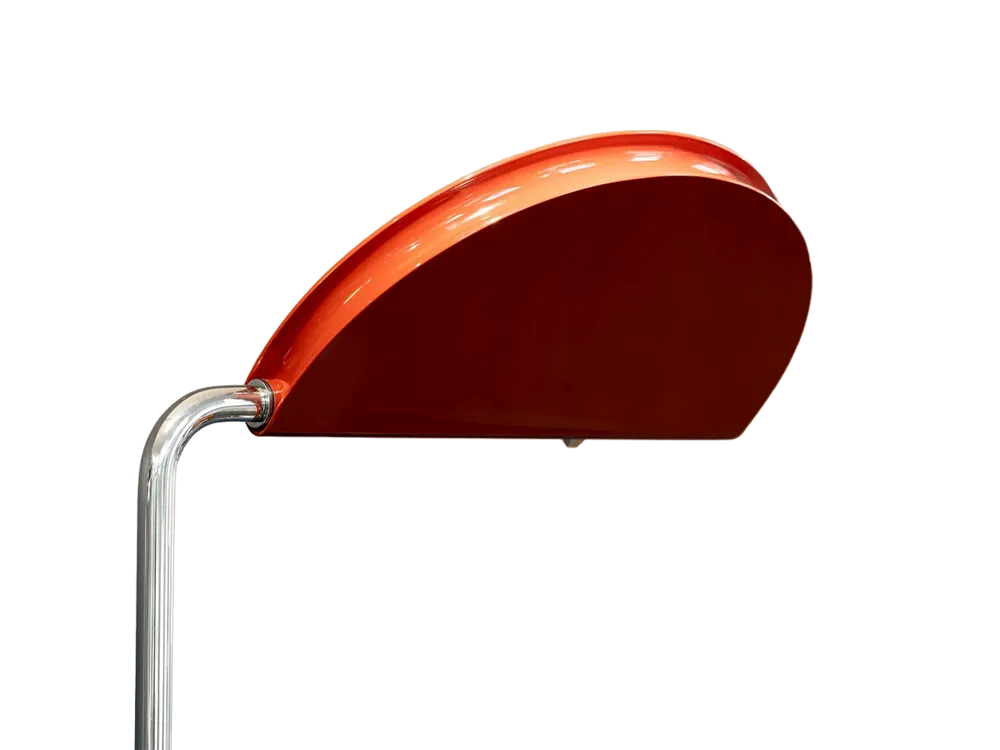
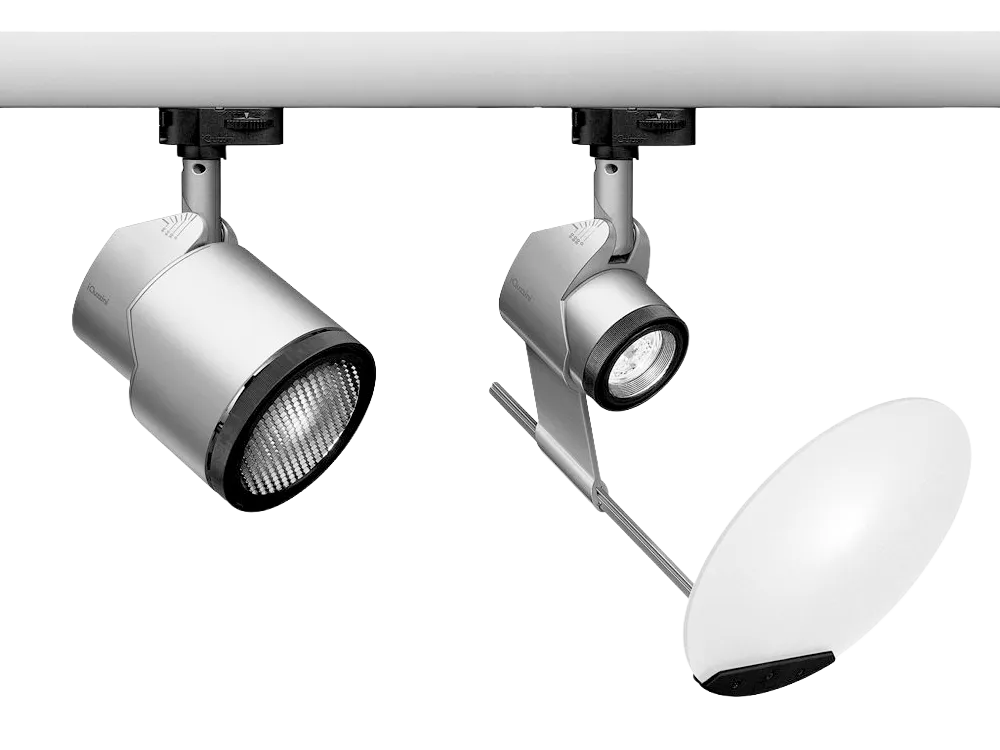
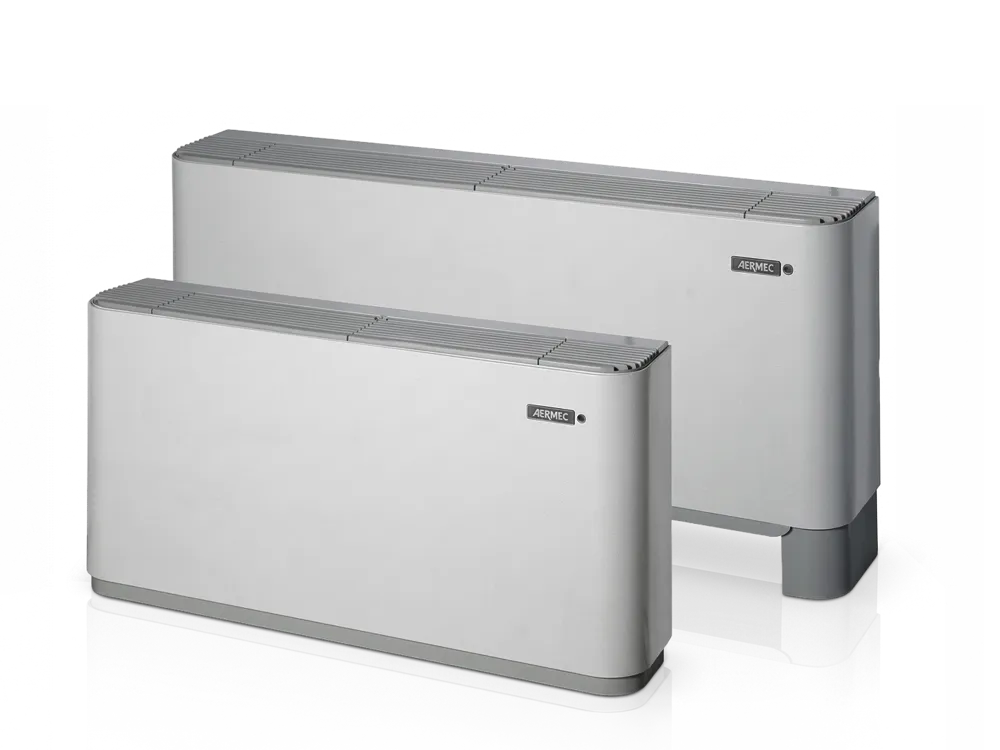
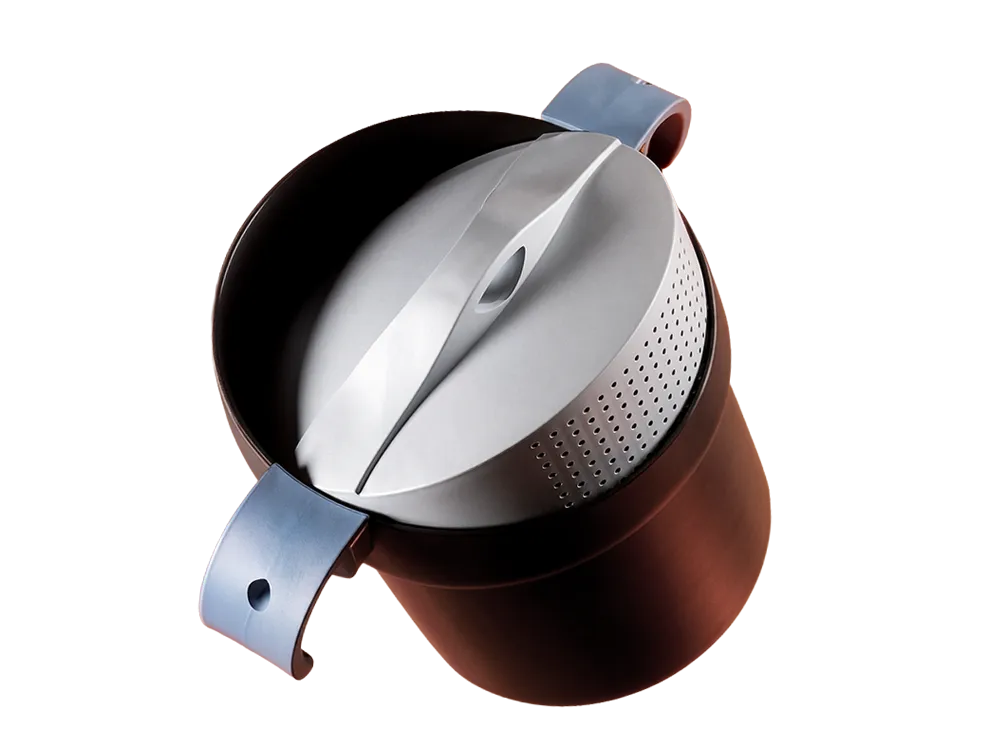
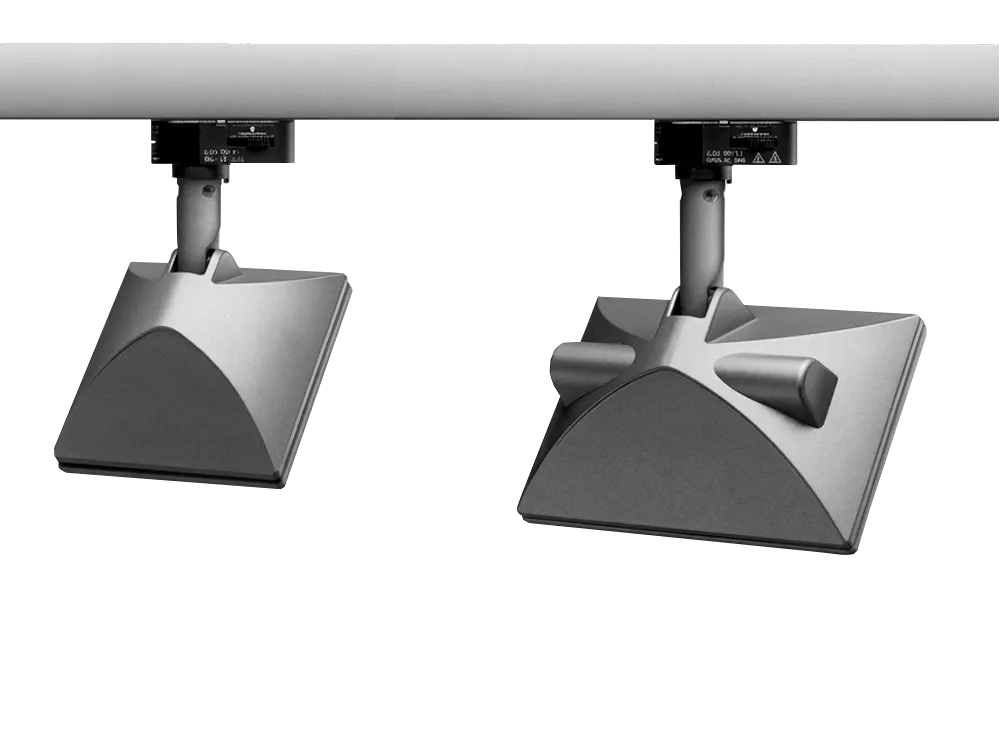
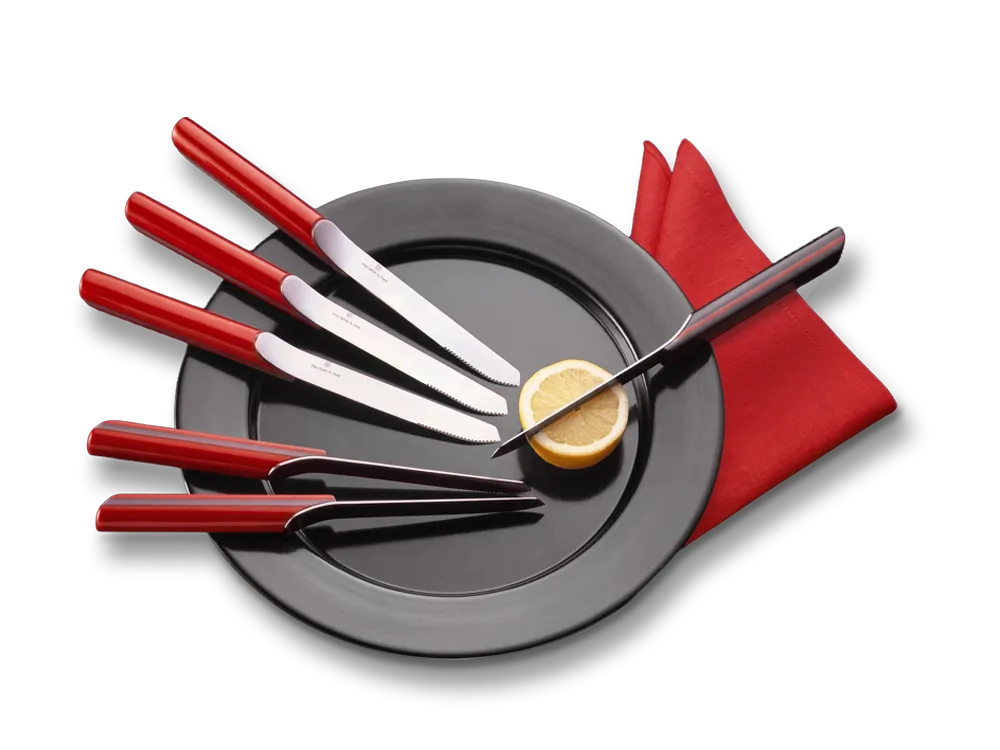
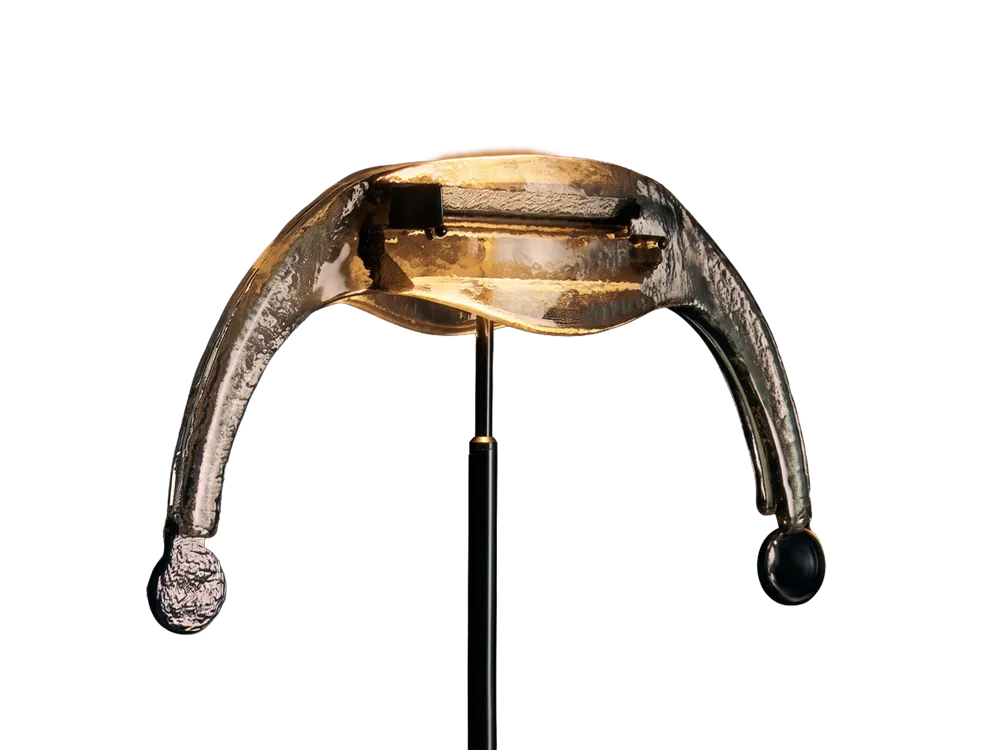
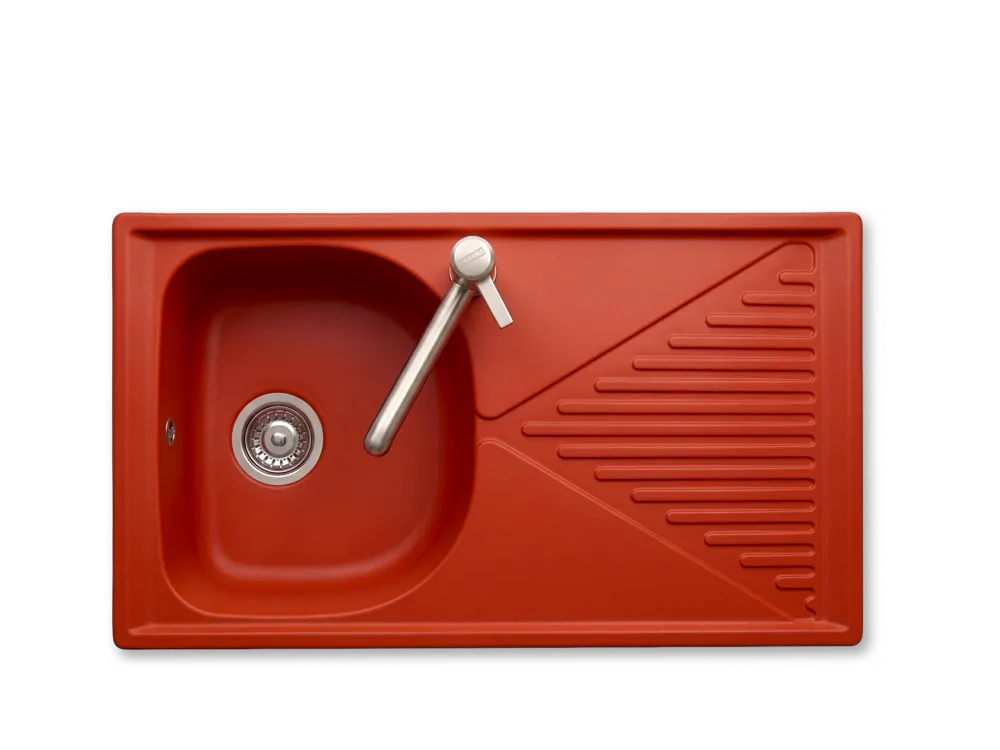
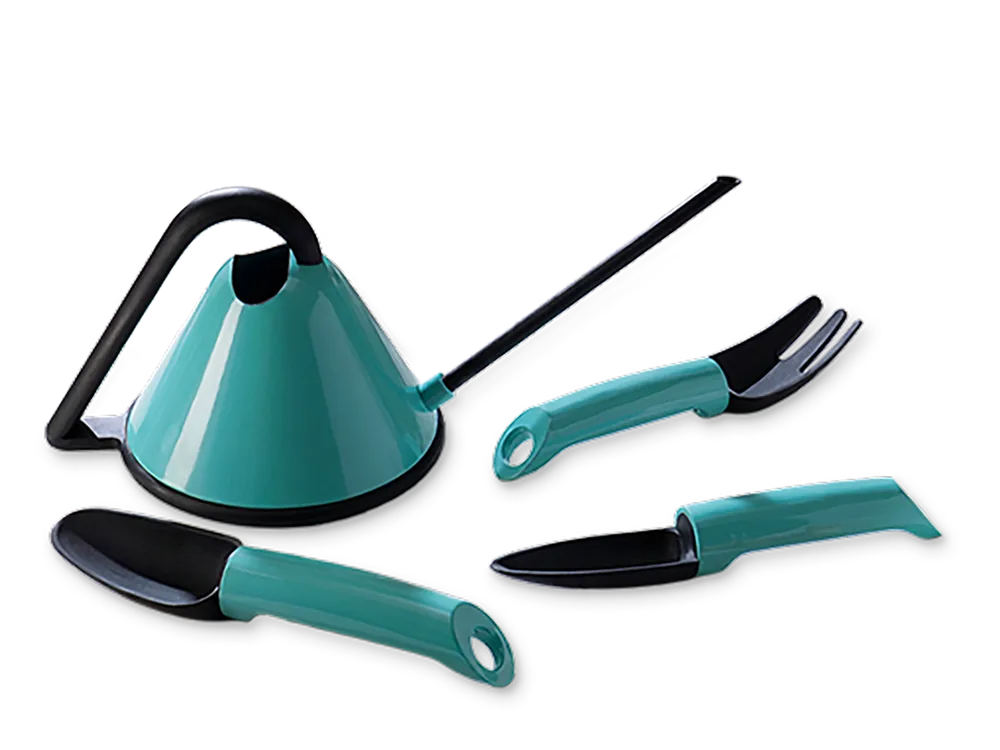
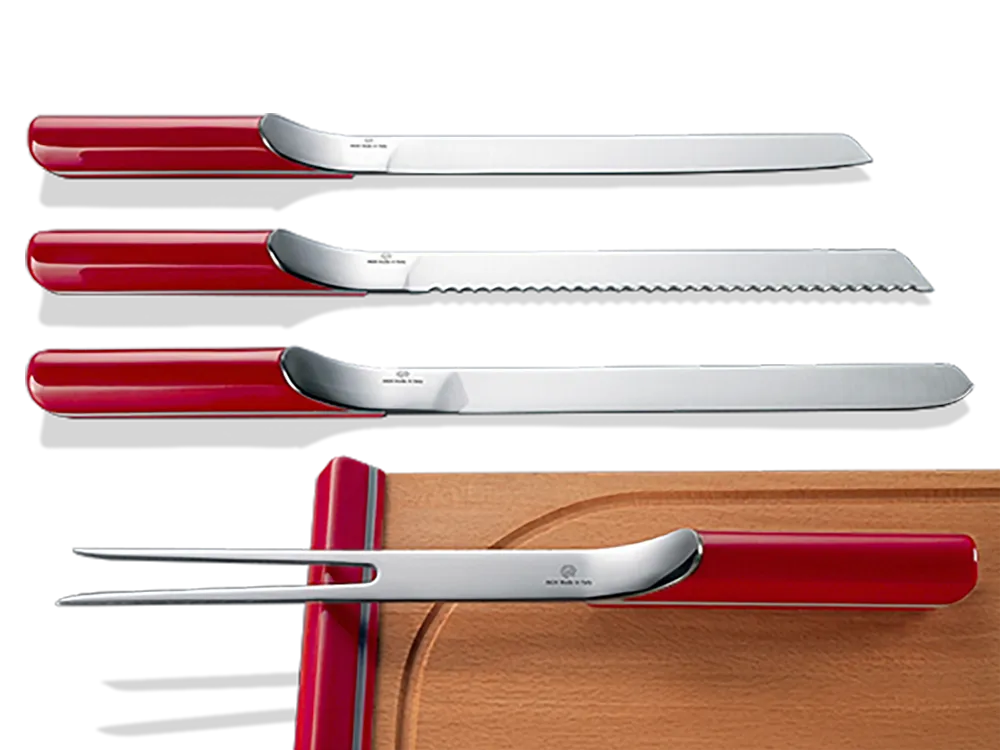
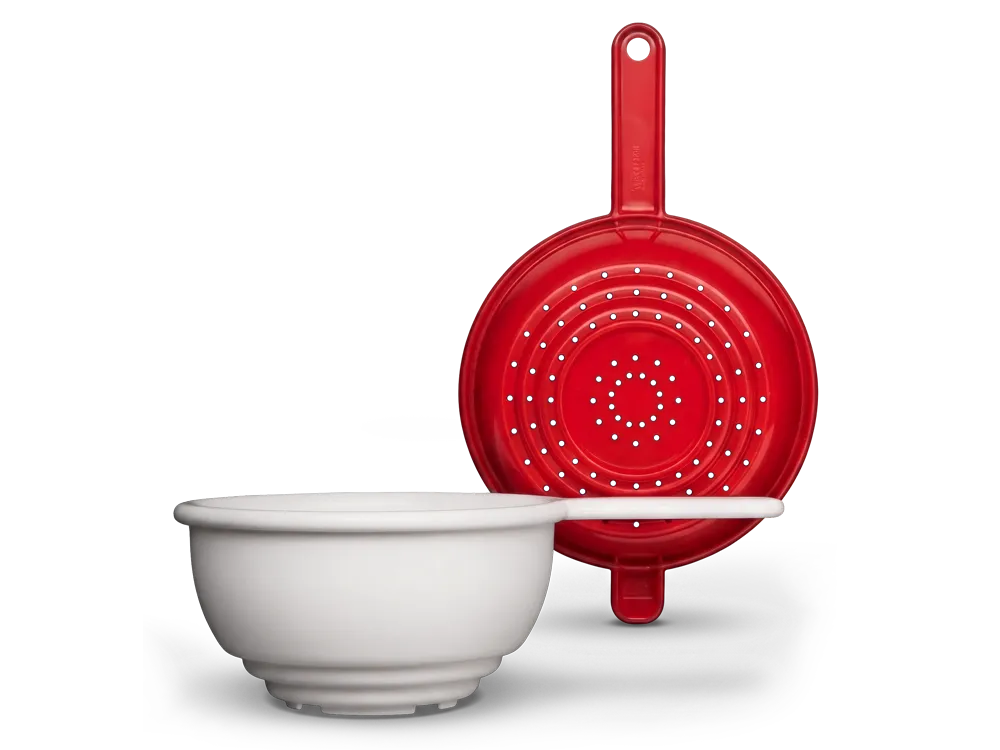
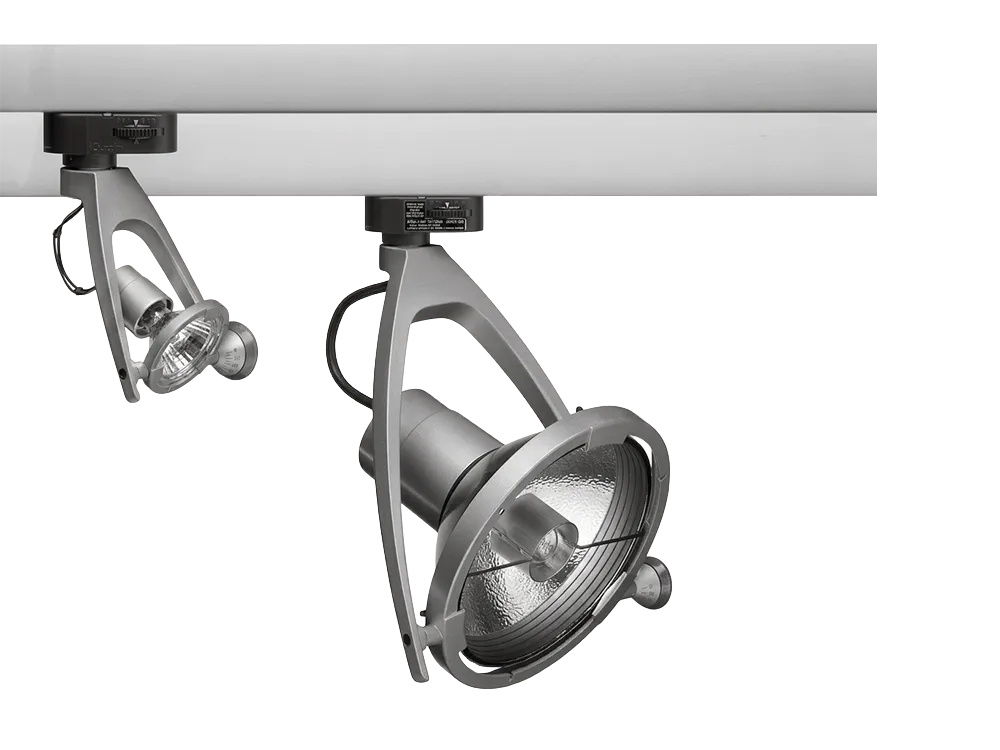
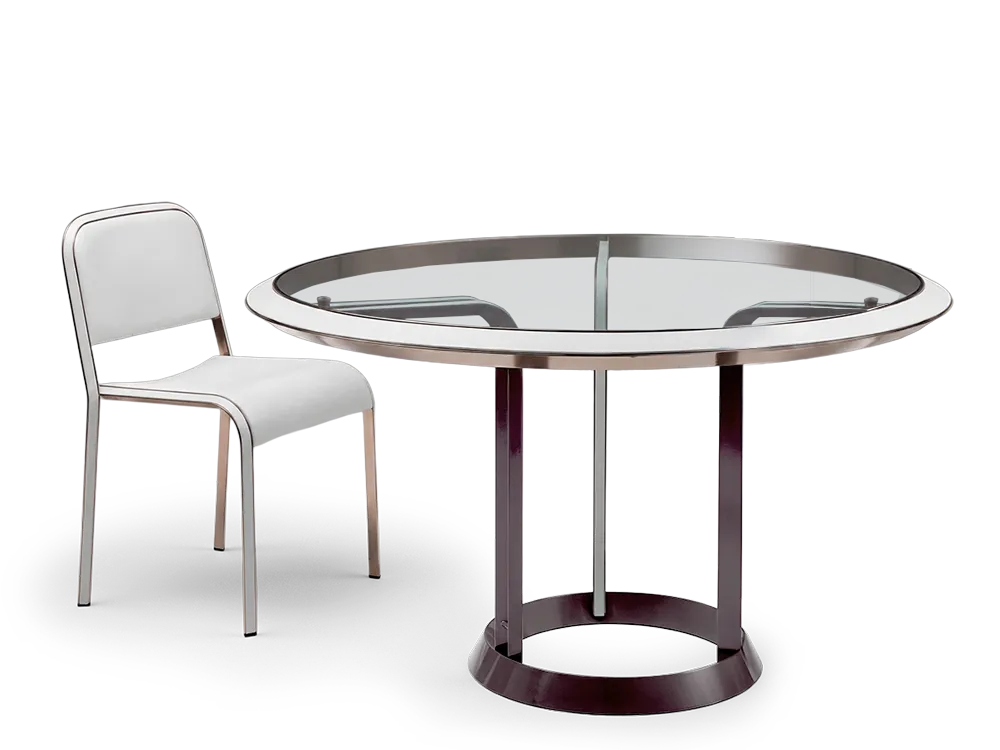
We help companies decide what product to develop, test the design using physical models and take it through to production. Industrial design in Milan since 1976.
In the Milanese design tradition, we work directly with our clients: fewer intermediaries, greater effectiveness and consistency.
The Milanese model
Bruno and Lorenzo Gecchelin oversee every project from the first meeting with the client through to production, supported by a network of collaborators, model makers and specialist suppliers built over fifty years of professional practice.
This is the relationship on which Milanese design was built: decision-makers speak directly to designers, and design choices are tested through prototypes. The studio continues to work this way today. For a company, it means a single point of contact who takes responsibility for the project from initial idea to finished product, and scope for exploration that an in-house team often cannot accommodate.
Italian and Milanese designThe studio in numbers
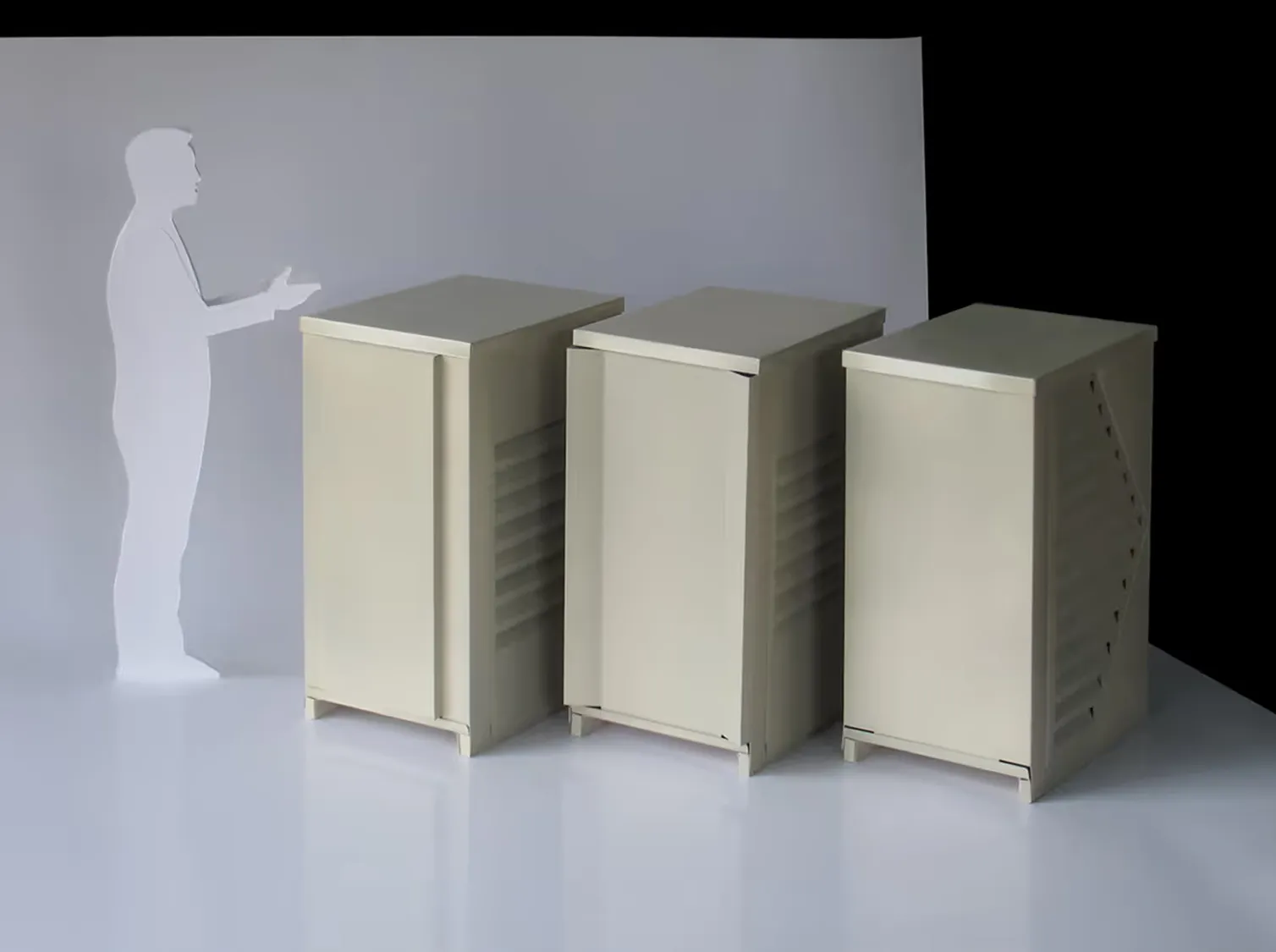
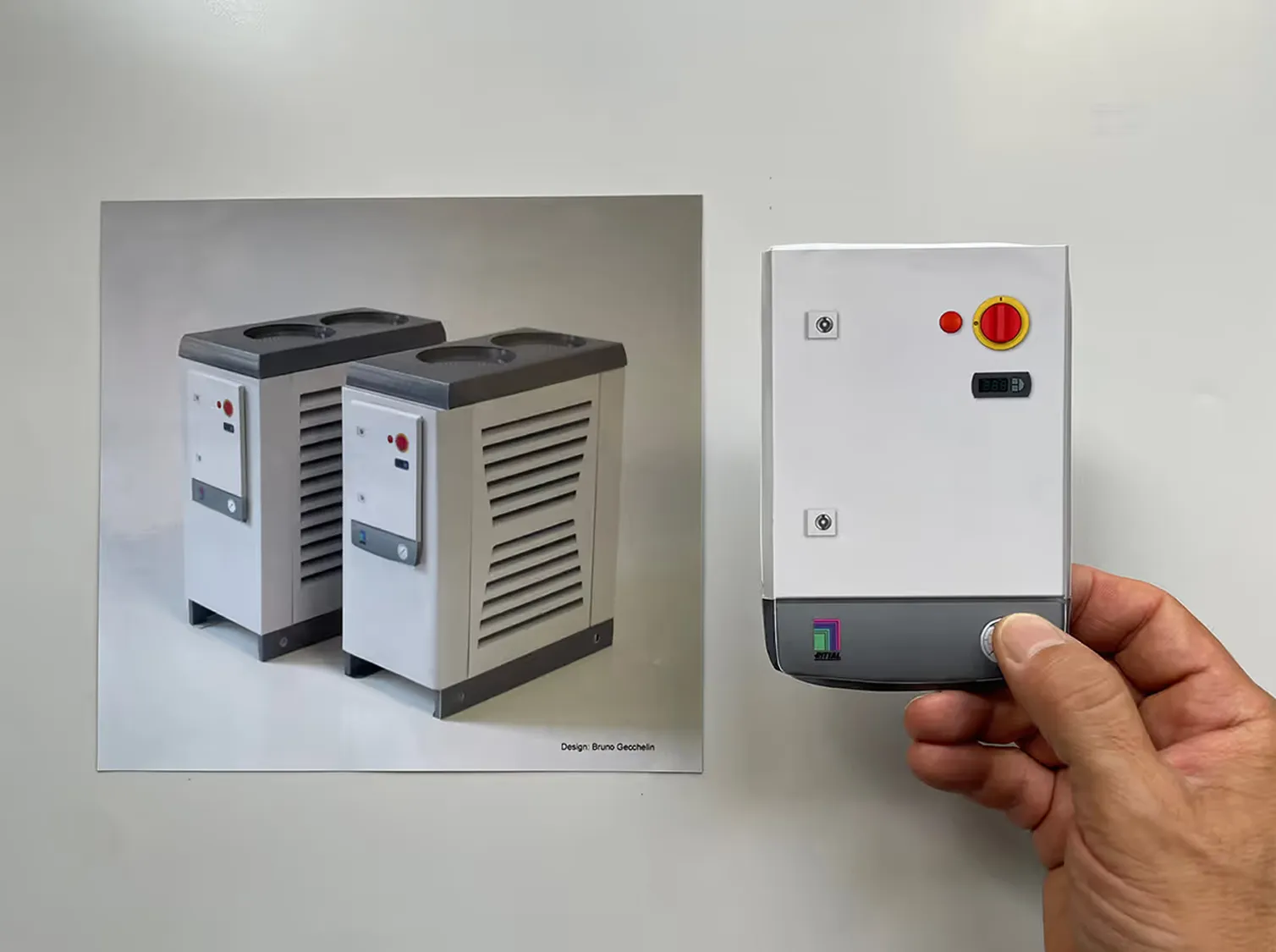
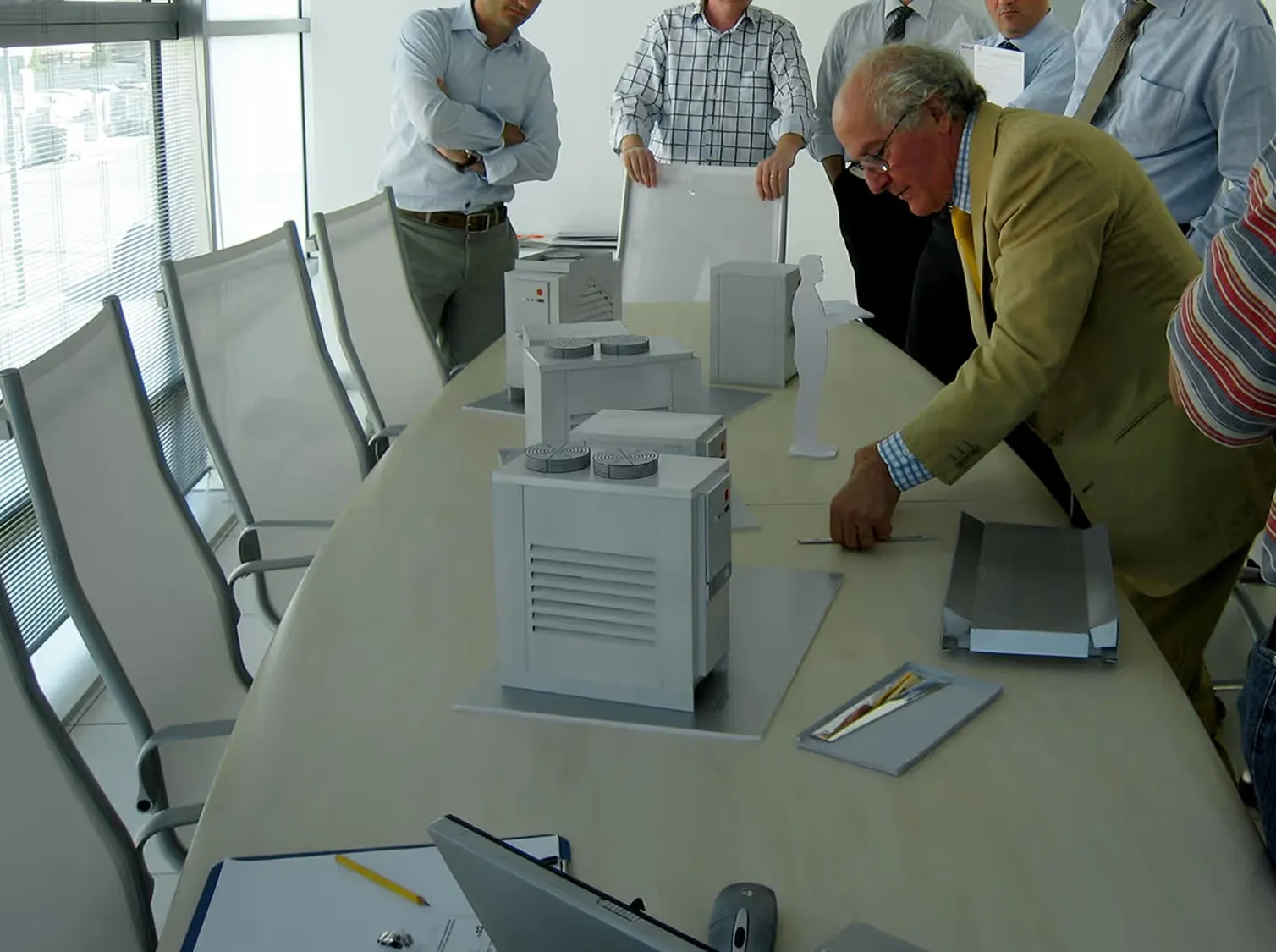
We also use artificial intelligence to explore a wider range of possibilities, not to choose between them. A convincing image is a starting point, not yet a product that can be manufactured and meets a company’s needs.
Our judgement has developed project by project: form grows out of function and the way a product will be made. Materials and manufacturing processes are not constraints to address later, but the starting point for the idea. AI’s knowledge of all this is limited to what is contained in its training data.
How we workEverything starts with drawing by hand: it is how designers think through a problem and explore their first ideas, and it remains part of every stage that follows. Guided by experience, we then decide which approaches to use, how many and in what order. The combination varies from project to project, as the examples show.
Drawing by hand: Virgola, iGuzzini 1981The solution may come from another sector. Applying materials and technologies in a different context opens up more ways to find the right answer for the client, often one that is new to their industry.
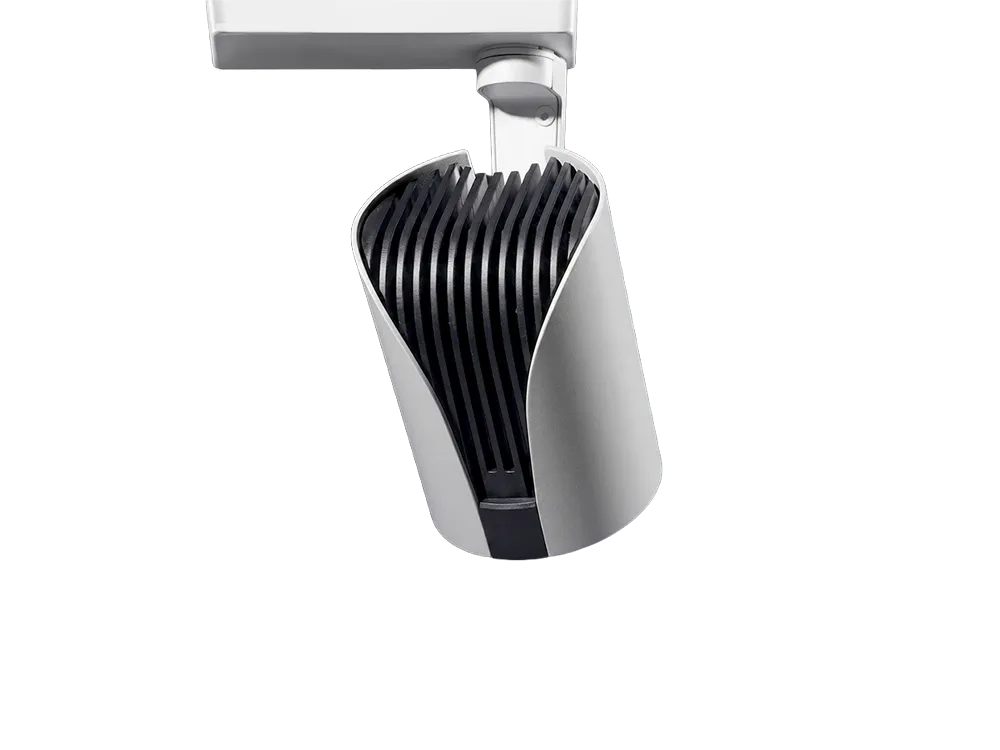
Case studyShuttle · iGuzzini
A brief may unintentionally describe a possible solution rather than the underlying problem. Our task is to identify the problem the company wants to solve and use it as the starting point for finding the best answer, even when that answer is unexpected.
Case studyMinimaxxi · Whirlpool
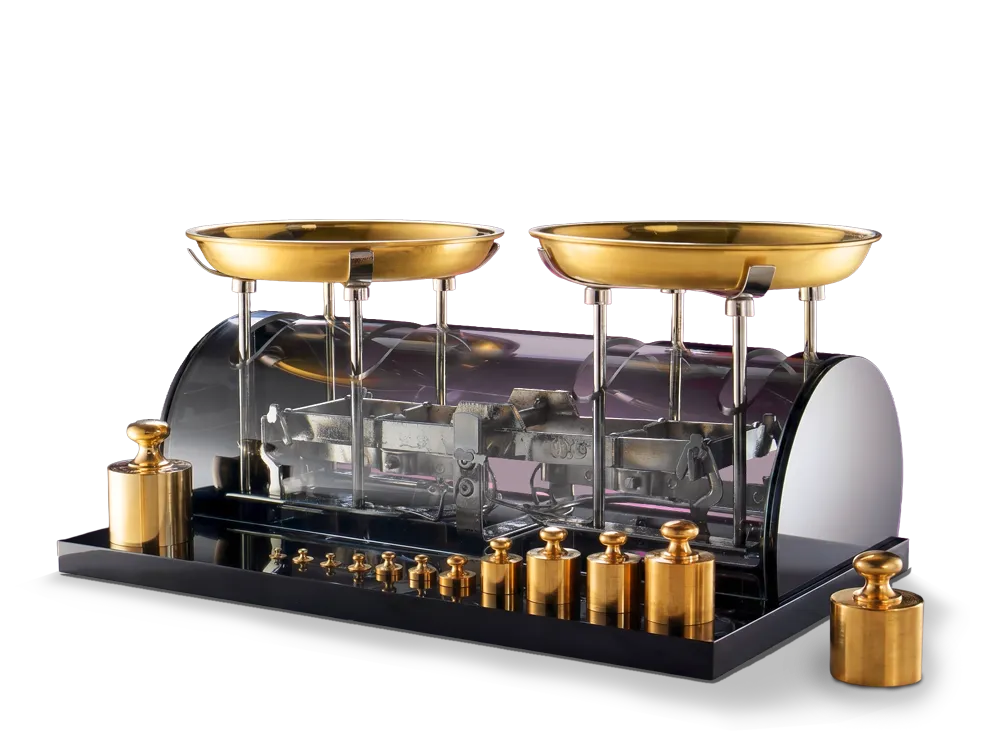
Hypotheses become models to put on the table. It is how the company can understand, discuss and choose between options that, judged on technical specifications alone, are equivalent.
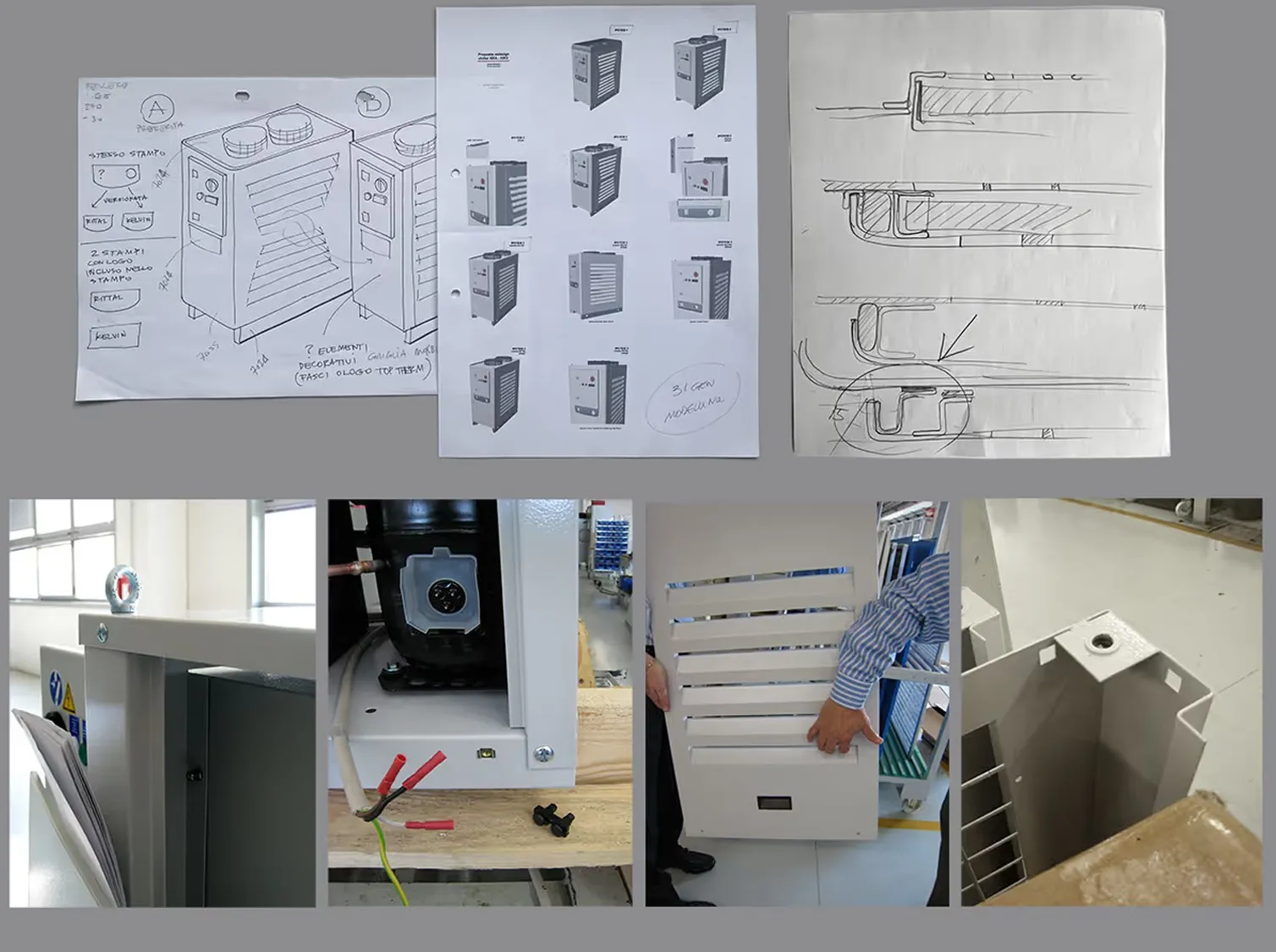
Case studyChiller KRA/KRO · Kelvin
Models and prototypes allow us to test the design as it develops, step by step. They may reveal a better version of a design that already works. When that happens, we change course before detailed engineering begins.
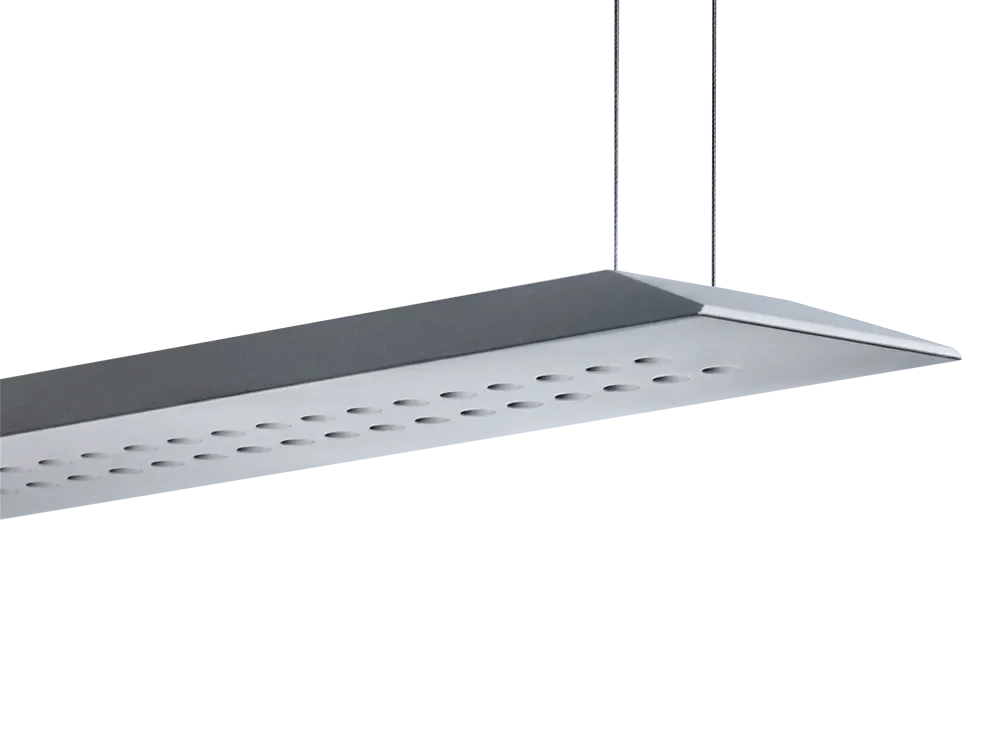
Case studyLigea · Italamp
Technologies and manufacturing processes evolve, and a product can benefit greatly from these advances. Updating it without losing its character is a delicate task that calls for care and attention to detail.
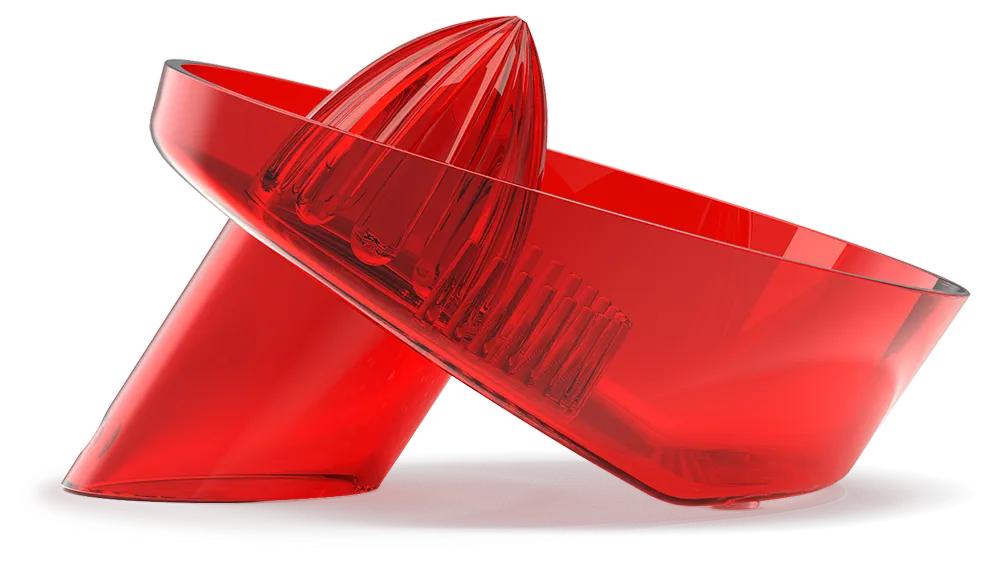
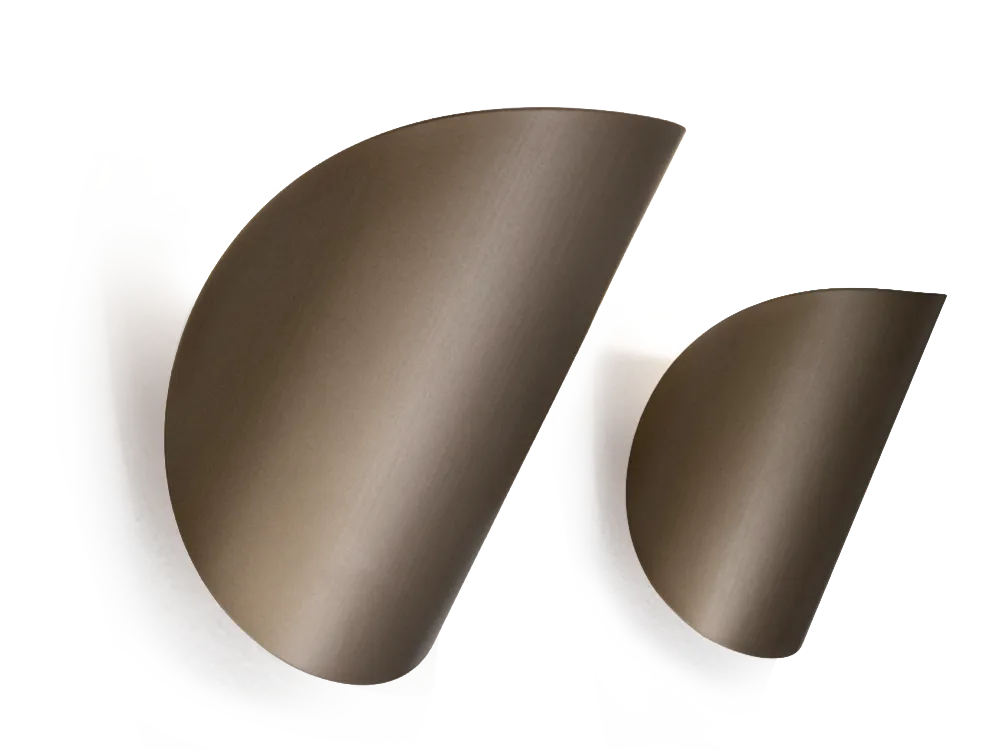
Case studyMezzaluna · Skipper
Alongside hand drawing and handmade models, we use generative AI, 3D modelling and 3D printing to explore a wider range of possibilities. We make the decisions ourselves, using the physical model to assess proportions, materials and how the product is used.
A product that makes the company credible in a new field.
Turning products developed individually into a coherent family.
Reframing the question when a project has stalled.
Giving form to a light source, a material or a manufacturing process.
Updating an established product without changing its character.
Does this sound like your situation?
Let’s talkProjects we initiate ourselves: responses to competition briefs or proposals developed independently, arising from research into materials and technologies. We develop them through to the model or prototype stage, just as we would for a client. Here is a selection.
Drag the strip, or select it using your keyboard and use the left and right arrow keys. Scrolling pauses while the strip is selected.
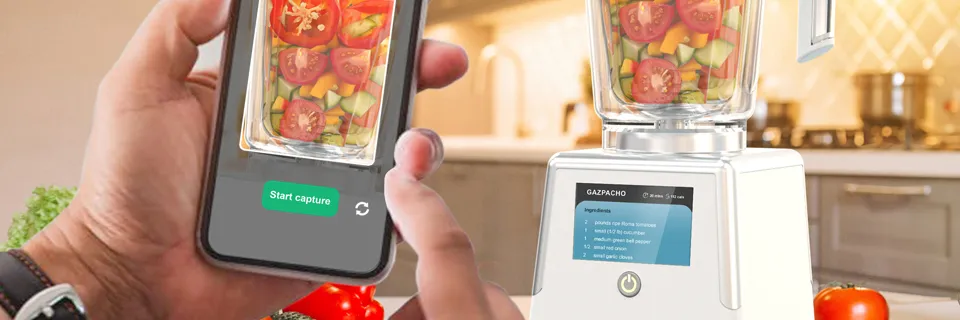
Experienced cooks and beginners need different things from the same blender. A touchscreen replaces the control dial, offering two modes: Easy and Pro. Beginners receive guidance as they build their skills.
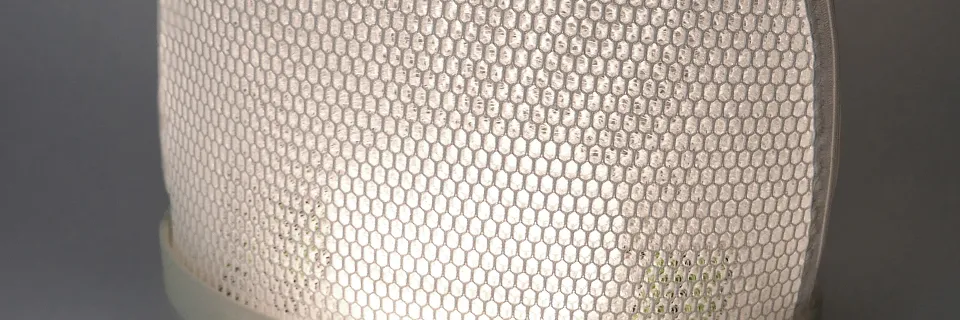
Can a fabric developed to let shoes, backpacks and mattresses breathe also let light through? The diffuser ships flat and takes shape only when fitted to its LED base. It works indoors and outdoors.
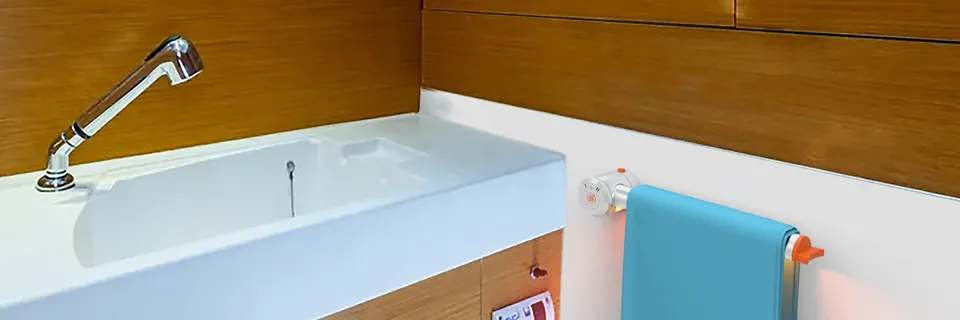
On a boat, the bathroom is small and damp, and towels never seem to dry. A cantilevered bar that pivots left, right or upright uses infrared heat to dry them, without exposed hot heating elements.
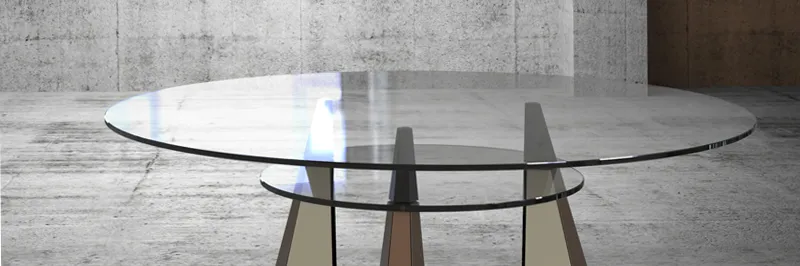
A glass tabletop that simply rests in place, held by its own weight. A lower glass panel with openings holds the legs in position, while the tabletop rests on spacers above it. The components lift apart for disassembly and can be shipped separately.
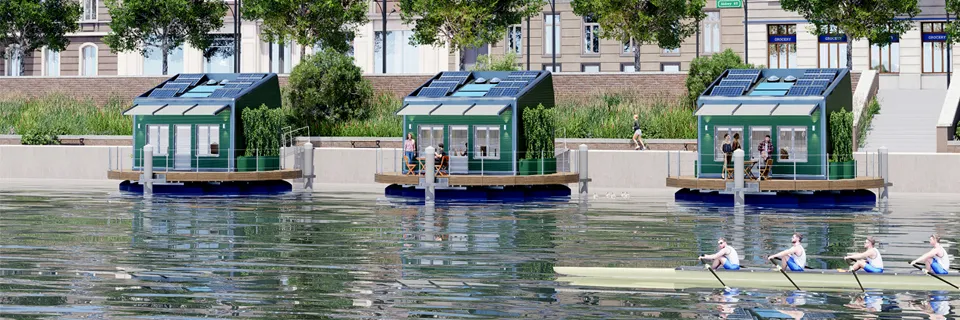
A compact home for young people that occupies no land: it floats on an urban river and turns like a sunflower to keep its solar panels facing the sun. Several units can form a small off-grid community.
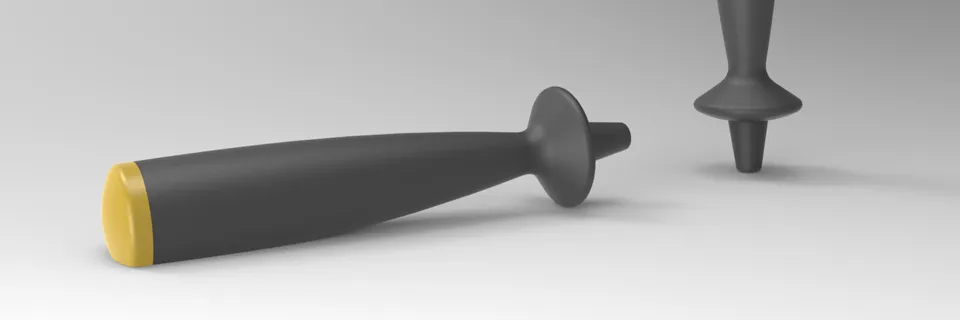
Pencils designed to help children who find it difficult to distinguish colours identify them by touch. Rounded ridges indicate warm colours; angular ridges indicate cool colours, with a shape suited to a fist grip. Recognised with an award in 1998, the design is now being reimagined in recycled graphite waste, with no sharpening required.
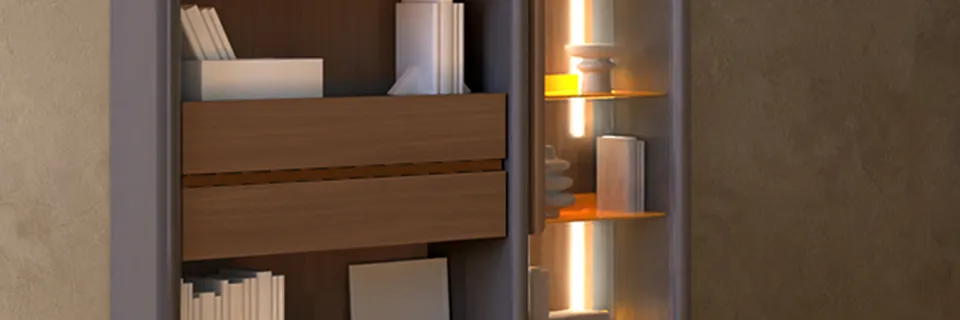
How can sheet metal lose its sharp-edged appearance? By folding it back on itself around a generous radius until it becomes a substantial upright. Two uprights support shelves, cabinets and drawers: a proposal for a company already skilled in metalworking.
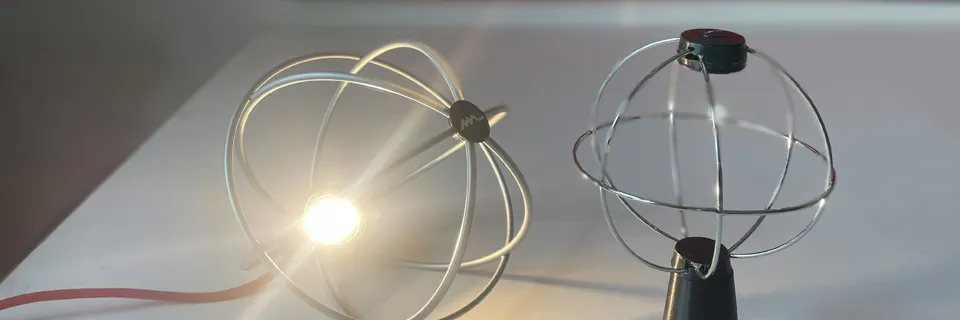
Two lamps from the geometry of the armillary sphere. The table one is portable and battery-powered: only the base goes to charge, the sphere stays put. The floor one, for indoors and out, is aimed by changing the way the structure rests.
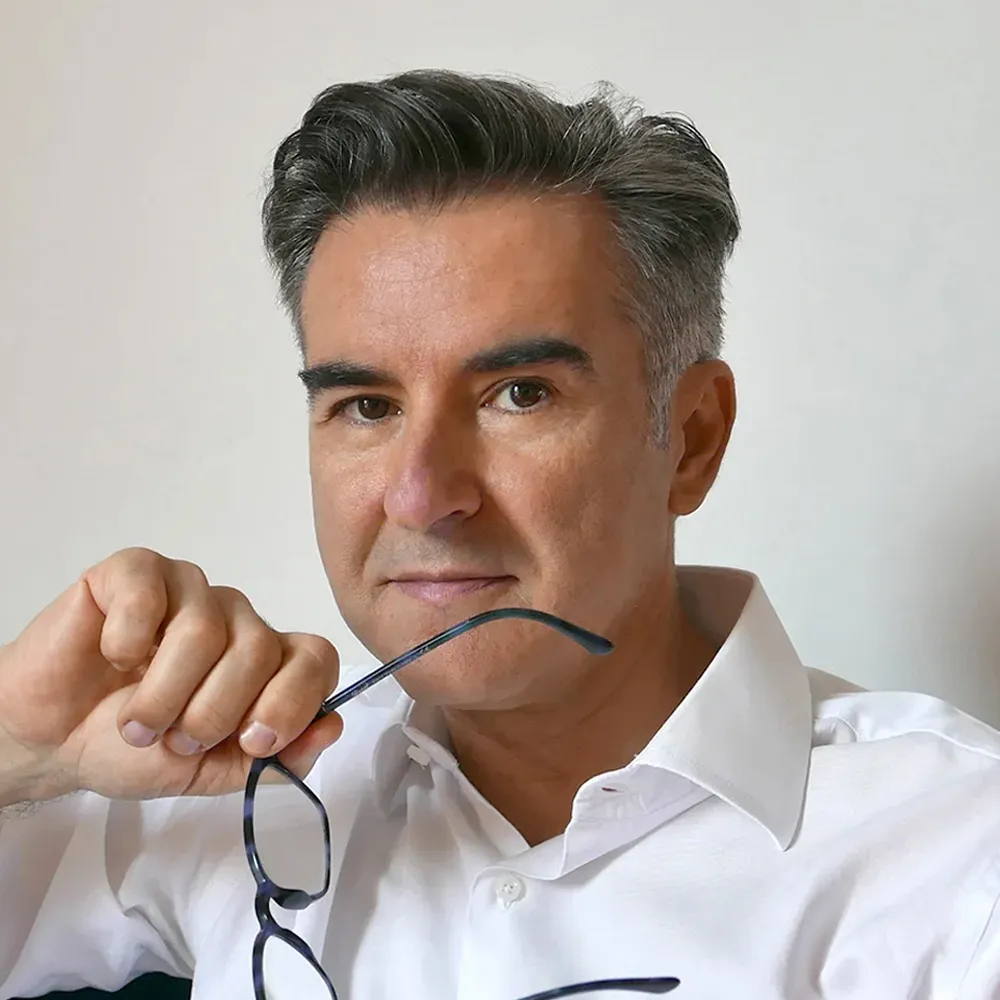
We are your senior design partner, working with you from initial idea through to production. Together, we test every design decision using models and prototypes and take personal responsibility for those decisions.
Working together
We bring models and prototypes to the table while design options are still open, and discuss them with the people in your company who know the product, the manufacturing processes and the market. This brings cost, tooling and assembly issues to light while there is still scope to make changes that matter. Decisions are made together, based on something everyone can see: by the time the design reaches production, your teams already know it and have helped shape it.
Thinking about a new product? Tell us where you’re starting from: a brief, an idea or a project that has stalled. You’ll hear directly from the designer who will work on it.
We’ll reply to the email address you provided. If your enquiry is urgent, call us on +39 02 4981140.